Table Games That Improve Competitive Thinking
15 July 2026 | 68
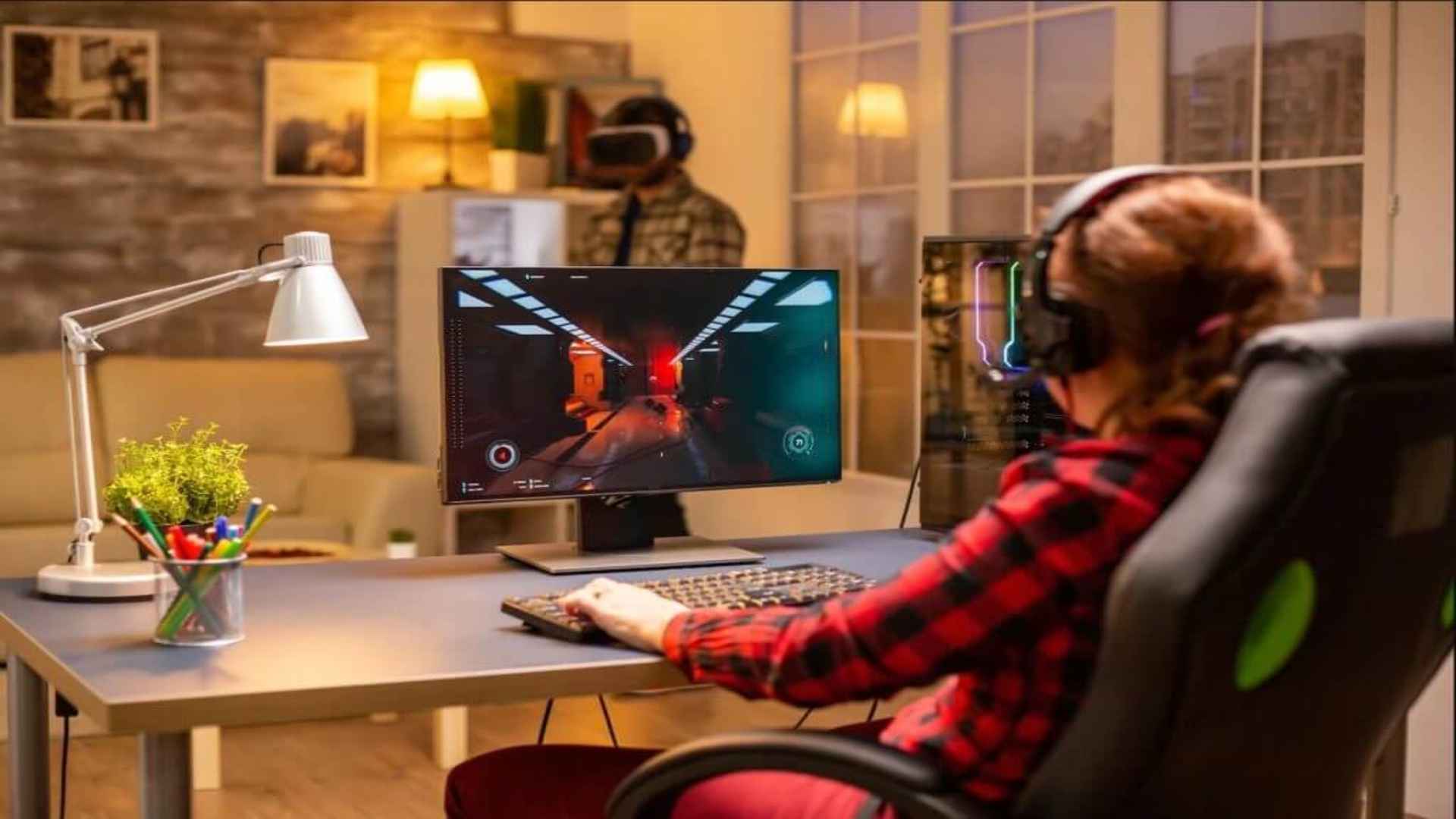
Engaging in tabletop competitions is far more than a simple pastime for weekend gatherings. Certain games challenge our minds by forcing us to analyze opponents, calculate risks, and adapt to rapidly changing circumstances. Developing these cognitive skills can significantly enhance your performance in both social gaming environments and real-world decision-making scenarios.
The Psychology of Predictive Play
To outmaneuver an opponent, you must first learn to anticipate their next several moves. Games that rely on hidden information force players to read subtle behavioral cues and construct mental models of their rival's strategy. This constant tactical calculation sharpens your working memory and improves your overall cognitive flexibility over time.
Furthermore, mastering this predictive mindset allows you to make calculated decisions under intense pressure. Players who specialize in these strategic matchups often find themselves better equipped to handle complex problems in professional settings. Ultimately, training your brain to see three steps ahead is the cornerstone of competitive excellence.
Balancing Risk and Reward in Card Games
Card-based table games offer an excellent arena for testing your probability assessment and emotional control. Every turn presents a delicate balance between playing it safe and taking a calculated gamble to seize the advantage. Learning when to push your luck and when to fold is a vital aspect of high-level competitive thinking.
For those looking to test their tactical skills in a dynamic digital environment, exploring options at M88 casino can provide a thrilling platform to practice. Engaging with modern gaming interfaces helps players refine their risk-management strategies in real time. Over time, this disciplined approach to risk translates into a much sharper analytical mind.
Tactical Adaptability in Modern Board Games
Many modern board games move away from static formulas, requiring players to constantly pivot their strategies based on board states. When a carefully planned route is blocked by an opponent, a competitive thinker must immediately find an alternative path to victory. This continuous loop of planning, executing, and adapting builds immense mental resilience.
This fluid style of play discourages rigid thinking and encourages creative problem-solving under changing conditions. By forcing you to manage limited resources while defending against opponent interference, these games simulate real-world strategic planning. Consequently, players cultivate a highly versatile mental toolkit that can be applied to various life challenges.
The Longevity of Strategic Gaming Benefits
Consistently challenging your brain with complex tabletop matches has been shown to support long-term cognitive health. Exercising your executive functions through play helps maintain sharp memory and processing speeds as you age. This makes strategic gaming both an enjoyable hobby and a proactive investment in your mental well-being.
In conclusion, incorporating these intellectually demanding games into your routine offers profound cognitive rewards. By focusing on anticipation, adaptability, and risk management, you can naturally elevate your competitive mindset. Gather your friends or log online today to start training your mind for your next big victory.