When Your Favorite Hand Becomes Your Biggest Mental Trap
14 August 2026 | 243
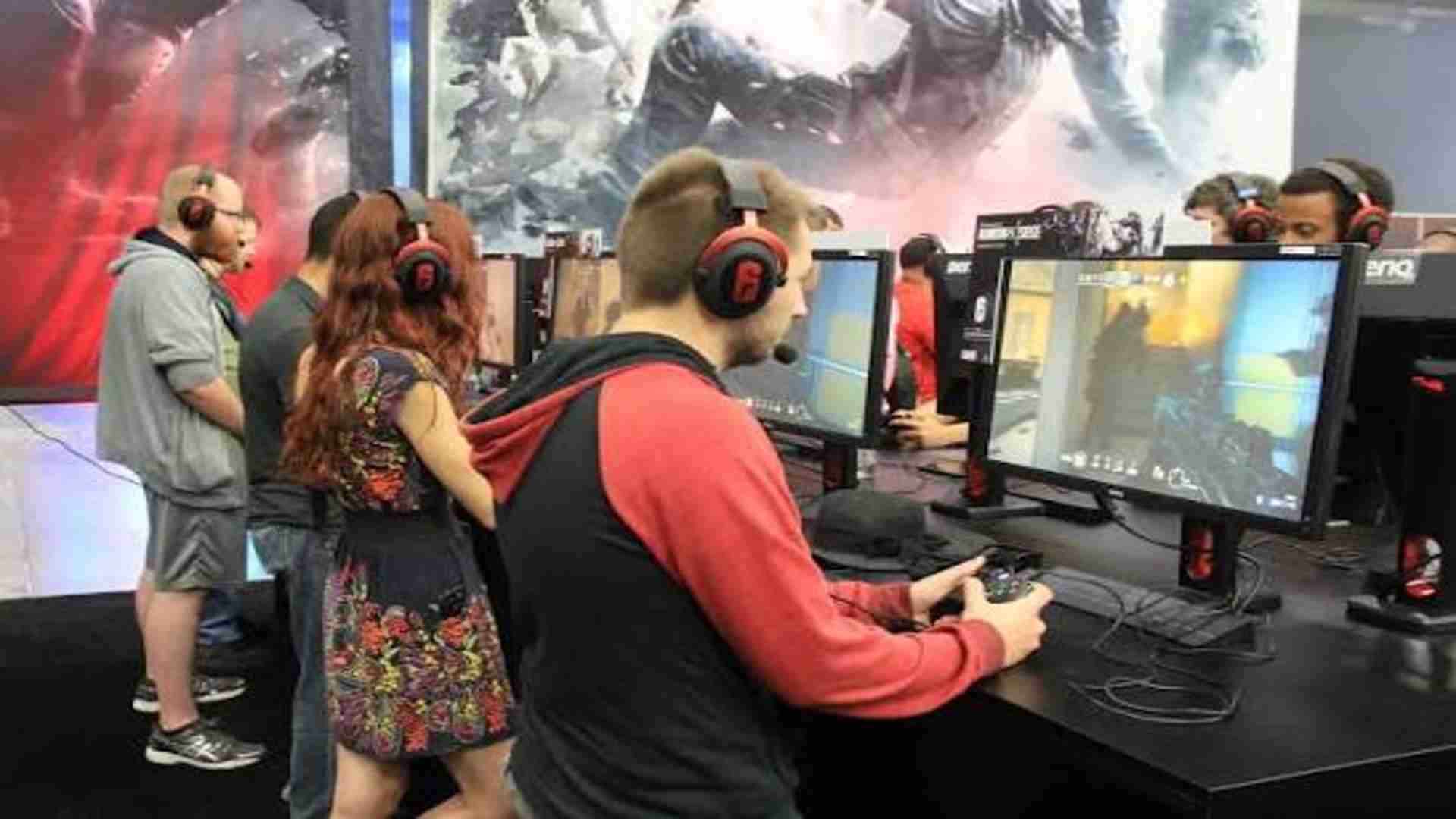
Every poker player eventually develops a personal affinity for certain starting cards, often based on a memorable early victory or a lucky streak. However, allowing emotional attachment to dictate strategic decisions turns a simple preference into a dangerous cognitive blind spot. Recognizing when your favorite hand is clouding your judgment is essential for maintaining long-term profitability at the table.
The Psychology of Personal Attachment in Poker
Emotional bias frequently leads players to overestimate the true mathematical value of specific card combinations. When dealt a favorite starting hand, many competitors ignore negative board textures and aggressive opponent behavior. This psychological trap blinds players to immediate risks, forcing them to play suboptimally under pressure.
Overcoming this cognitive bias requires a conscious effort to evaluate every scenario through cold logic rather than sentiment. Treating each deal as an isolated statistical event helps prevent past positive memories from influencing present choices. Developing disciplined decision-making is necessary for long-term strategic success.
How Confirmation Bias Distorts Decision Making
Players often remember the big pots won with their favorite hand while completely forgetting the numerous times it cost them chips. This selective memory reinforces the illusion that the hand possesses unique value beyond its standard equity. Consequently, players continue overplaying it despite clear evidence that the situation is unfavorable.
Many analytical players use dynamic digital resources like boss toto login alternatif to study hand histories and evaluate operational patterns across different sessions. Reviewing actual session data quickly reveals how costly emotional attachments can be over extended play. Objective tracking remains the most effective antidote to dangerous mental shortcuts.
Recognizing the Strategic Cost of Overplaying Hands
Consistently overplaying specific starting cards creates predictable behavioral patterns that observant opponents can easily exploit. When rivals notice your unwillingness to fold a favored combination, they will structure their bets to extract maximum value. Strategic flexibility is completely lost when your emotional tendencies become transparent to the table.
A well-balanced poker strategy depends on adapting to changing circumstances rather than stubbornly sticking to a rigid personal preference. Folding a favored hand when faced with strong aggression is often the most profitable play available. Protecting your bankroll requires placing objective strategy above personal affection.
Rebuilding Discipline and Mental Clarity
Breaking free from emotional traps demands high self-awareness and strict adherence to fundamental odds. Before committing chips to a pot, pause to assess the mathematical equity and positional advantage of your position. Re-evaluating decisions based on current facts ensures that strategic discipline outweighs personal bias.
Transforming your mindset involves accepting that no starting hand is inherently lucky or immune to defeat. Consistent winners focus entirely on long-term expected value rather than individual emotional satisfaction. By treating every card objectively, you eliminate mental traps and elevate your overall game quality.